

In this article
For Shopify agencies, growth often creates a familiar problem: more clients bring more work, but profitability doesn’t always improve.
Developers spend time on repetitive tasks. Project managers turn scattered feedback into instructions. Content teams work through product descriptions. Small revisions interrupt larger builds, and senior specialists become the approval point for everything.
AI can help reduce some of that friction.
Used well, it can shorten the path from brief to first draft, support development, and make routine reporting easier. The opportunity is to spend less time preparing work and more time making the decisions that improve it.
For agency owners in Dallas and beyond, that raises an important question: how do you turn faster production into a stronger business?
The answer starts with choosing the right tasks, measuring the full cost of delivery, and keeping experienced people responsible for the outcome.

1. AI Is Changing the Shopify Agency Workflow
AI can support several stages of a Shopify project, from organizing discovery notes to drafting content and helping developers investigate code.
Shopify also provides AI tools within its platform. Its documentation describes Sidekick as an assistant that can help with store tasks, content, and analysis while presenting changes for review. Agencies should check the capabilities available in each client’s store before building a workflow around them. Explore Shopify’s Sidekick documentation.
These tools change how work begins. They don’t remove the need to understand the merchant’s business.
An AI-generated product page still needs accurate information. A suggested theme change still needs testing. A report still needs someone to explain what the numbers mean.
The agency’s responsibility remains the same: deliver work that meets the brief and functions reliably.
2. Faster Delivery Starts With Better Preparation
Much of a project’s delay happens before development begins.
Requirements arrive across emails, meetings, screenshots, and documents. A seemingly simple request can hide dependencies that only become visible halfway through the build.
AI can help turn those inputs into a structured starting point.
For example, a project manager could use it to draft:
- A summary of the client’s goals.
- A proposed page and template list.
- Questions that remain unanswered.
- A content inventory.
- Acceptance criteria for key features.
- A list of assumptions requiring confirmation.
The project manager then checks that draft against the original material and confirms it with the client.
This can reduce preparation time while making the next conversation more useful. It also helps identify a common source of wasted effort: building something before everyone agrees on what it should do.
Clear preparation is especially valuable when an agency uses a web development partner. A complete brief makes it easier to estimate work, assign responsibility, and manage revisions.
3. AI Can Accelerate Shopify Development
AI coding assistants can help developers produce initial code, explain unfamiliar files, and suggest approaches to a problem.
Potential uses include drafting a theme section, investigating a styling issue, documenting existing functionality, or generating test scenarios.
Shopify’s developer documentation also points to an AI Toolkit that supplies coding agents with Shopify-specific documentation, schemas, and skills. That context can support development, although generated work still requires verification. Read Shopify’s AI development guidance.
Where Developer Judgment Still Matters
A section that looks correct in one preview may behave differently with:
- A longer product title.
- Missing images.
- Multiple product variants.
- A different currency.
- An installed app.
- Keyboard navigation.
- A smaller mobile screen.
Developers need to inspect generated code, check compatibility, and test realistic conditions before release.
A useful workflow is:
Define the requirement → generate an initial implementation → review the code → test representative cases → approve the release.
Agencies should measure the time saved across that entire process. A fast first draft offers little value if it creates hours of debugging later.
4. Content Production Becomes Easier to Organize
Product content can become a delivery bottleneck, particularly for stores with large catalogs.
AI can help draft descriptions, organize supplied specifications, suggest FAQ questions, and create alternative wording for review.
The quality of the result depends heavily on the source material.
A prompt containing verified dimensions, materials, care instructions, and brand guidance is more useful than a request to “write a convincing product description.”
Before publication, someone should check:
- Product facts and compatibility.
- Unsupported claims.
- Shipping and return statements.
- Brand voice.
- Repetition across similar products.
- Whether the content answers a real buying question.
For SEO, the useful outcome is better information on important pages. Publishing more text alone doesn’t establish relevance or improve rankings.
Agencies can build repeatable content briefs and review rules so that each draft starts with the same standard of information.
5. Bigger Margins Depend on the Business Model
Saving time can improve profitability, but it doesn’t happen automatically.
The commercial effect depends on how the agency prices its work, manages scope, and uses the capacity it gains.
A Simple Project Example
Consider an illustrative fixed-fee project:
| Item | Original workflow | Improved workflow |
|---|---|---|
| Project revenue | $8,000 | $8,000 |
| Delivery hours | 100 | 80 |
| Loaded delivery cost per hour | $40 | $40 |
| Additional AI cost allocated to the project | $0 | $200 |
| Total direct delivery cost | $4,000 | $3,400 |
| Project contribution | $4,000 | $4,600 |
| Contribution margin | 50% | 57.5% |
These figures are hypothetical, not Dallas Web Agency results or an industry benchmark. The 80 hours must include prompting, review, testing, and corrections.
The example shows why agencies should track the complete delivery cost. Software subscriptions, training, and rework can absorb part of the saving.
Under hourly billing, fewer hours may also reduce revenue unless the agency agrees on a different pricing arrangement or fills the available capacity with other work.
AI efficiency becomes a business advantage when pricing, quality, and capacity planning work together.
6. Faster Work Creates Room for Better Services
An agency doesn’t have to use every saved hour to take on another website build.
It could use that capacity to improve existing client accounts through:
- Better product and collection templates.
- More thorough mobile testing.
- Analytics and tracking improvements.
- Merchandising experiments.
- Content maintenance.
- Integration reviews.
- Store performance work.
These services need a clear purpose and measurable deliverables.
For example, a monthly optimization engagement could include a prioritized backlog, one approved improvement, testing, and a short report explaining what changed.
That gives the client something concrete to evaluate. A vague promise of “AI-powered growth” does not.
Agencies looking to expand their Shopify delivery capacity can explore Dallas Web Agency’s e-commerce development services as part of their delivery planning.
7. AI Can Make Reporting More Useful
Agencies often spend considerable time assembling reports that clients rarely read.
AI can help organize verified data into a clearer narrative: what changed, what needs investigation, and what the team recommends doing next.
Shopify documents Sidekick capabilities for creating and editing reports using natural-language prompts. Those capabilities can help with exploration, but an agency still needs to validate the underlying figures and interpretation. See Shopify’s content and reporting guidance.
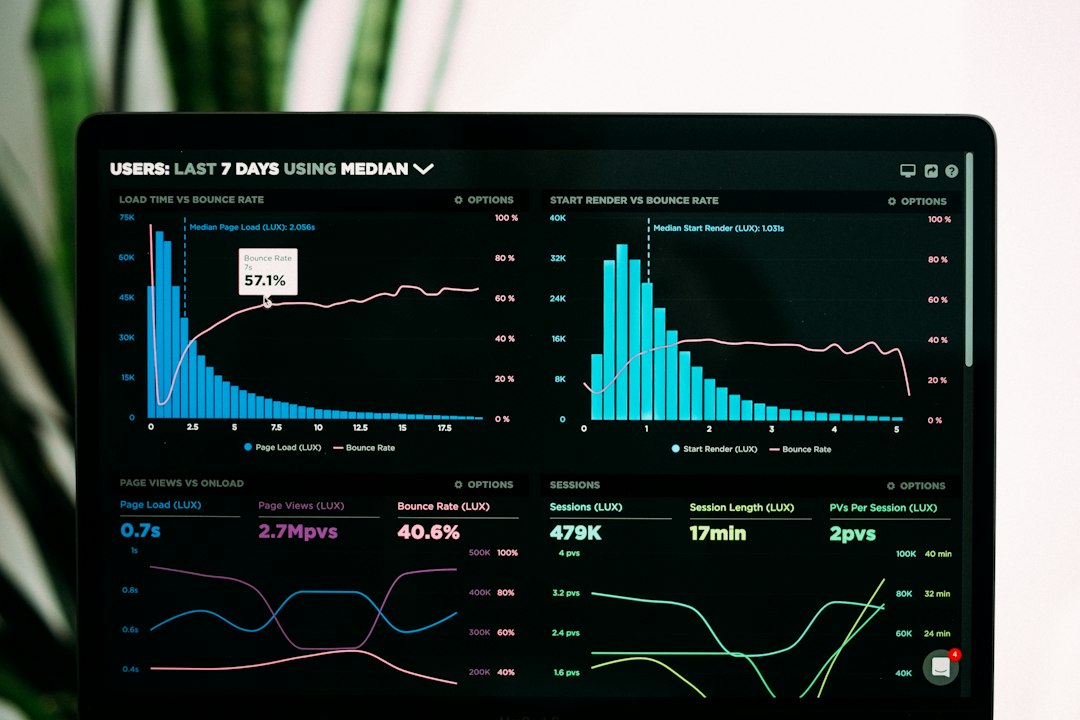
A useful client report should separate:
- Observation: What does the data show?
- Hypothesis: What might explain it?
- Action: What should the team investigate or test?
For example, a decline in conversion rate alongside an increase in traffic doesn’t establish that the website has become worse. The traffic mix, device mix, promotions, and measurement setup may have changed.
AI can help prepare the explanation. The agency must decide whether the explanation is supported.
8. White-Label Partnerships Can Benefit From Clearer Handoffs
For agencies working with a white-label development team, AI can help organize approved requirements, consolidate feedback, and prepare handoff documentation.
That can reduce the coordination effort between account managers, designers, and developers.
A practical handoff should still identify:
- The approved scope.
- The relevant designs and assets.
- Required functionality.
- Acceptance criteria.
- Responsibility for testing.
- The person authorized to approve changes.
AI-generated notes should be checked against the client’s actual instructions. Missing a requirement in a summary can create the same problem as missing it in an email.
For continuing client work, a defined website support and maintenance plan can help establish responsibility after launch.
9. Put Review and Data Controls Into the Workflow
Agencies need working rules that are simple enough for their teams to follow.
Start by deciding which tools are approved, what information can be shared with them, and which actions require review.
Use anonymized or sample data where practical. Review tool settings and contractual requirements before sharing client information.
Keep generated work in a draft, development theme, or other appropriate review environment until it has passed the relevant checks.
Shopify itself advises reviewing AI outputs because they can contain errors. That makes review a normal part of delivery planning. Read Shopify’s guidance on AI-powered tools.
The level of review should match the task. Drafting an internal summary and changing a live store’s pricing carry very different consequences.
10. How to Introduce AI Without Disrupting Delivery
Start with one recurring task where the inputs and expected output are clear.
Good candidates include preparing internal project briefs, drafting release notes, or producing product copy from verified specifications.
Then:
- Record how long the task currently takes.
- Define what an acceptable result looks like.
- Test the AI-assisted workflow on a limited project.
- Include review and corrections in the time measurement.
- Compare quality as well as speed.
- Keep, adjust, or stop the workflow based on the results.
Useful measures include turnaround time, review time, rework hours, escaped defects, and project contribution margin.
Avoid treating prompt counts or content volume as proof of improvement. The meaningful question is whether the agency delivered useful work more efficiently.
What This Means for Shopify Agency Owners
AI gives Shopify agencies more ways to reduce repetitive work and improve how they prepare, build, and support client stores.
But faster production also makes strong judgment more valuable. Clients still need someone to choose the right priorities, connect systems, protect the customer experience, and take responsibility for delivery.
Agencies that combine AI assistance with clear processes and experienced development support have a practical opportunity to grow their capacity without allowing quality to slip.

Build Your Shopify Delivery Capacity With Dallas Web Agency
Dallas Web Agency supports agencies with web development, e-commerce projects, and ongoing website care.
If your team needs help delivering Shopify work, start with the projects and recurring tasks that are putting the most pressure on your capacity.
Talk to Dallas Web Agency about your Shopify development needs.
Frequently Asked Questions
Can AI replace a Shopify agency?
AI can assist with tasks that agencies perform, but a client engagement also requires planning, integration work, testing, communication, and accountability. How much assistance is useful depends on the project.
How can AI improve Shopify agency margins?
It can reduce the time spent on suitable tasks. Margin improvement depends on total delivery costs, pricing, review effort, rework, and whether the agency can use the capacity it gains.
Is AI-generated Shopify code ready to publish?
It should be reviewed and tested first. Check the implementation against the store’s theme, content, integrations, accessibility needs, and expected customer journeys.
Can small Shopify agencies benefit from AI?
Yes. A small team can start with a narrowly defined recurring task and measure whether the workflow improves speed and quality before expanding it.
What should an agency automate first?
Choose a repetitive task with clear inputs, a checkable output, and limited consequences if the first draft is wrong. Internal briefs and release-note drafts are useful starting points.

Part of the Dallas Web Agency team, building WordPress, Shopify, Laravel and full-stack projects for agencies.